3 Things I Learned Building a Magic System for My Fantasy World
Building a magic system is one of the most exciting parts of fantasy worldbuilding. It is also one of the most overwhelming. Trust me, it almost broke me.
At first, magic feels like pure freedom. It can bend elements, heal wounds, open portals, summon spirits, shape dreams, or turn ordinary people into legends.
But when I started building the magic system for Ananthara, I ran into a problem pretty quickly: the more freedom I gave it, the harder it became to explain.
So instead of pretending I had everything figured out from the beginning, I want to share the questions that helped me understand what magic was supposed to become in my world.

Lesson 1: Magic Always Has a Hidden Message
In many fantasy worlds, magic already exists in fixed forms. It may come through elemental powers, ancient spells, divine blessings, bloodlines, rituals, magical schools, or secret techniques that people learn to master over time.
Magic can be studied. Strengthened. Controlled. Inherited. Taught. Feared. Weaponized. And there is absolutely nothing wrong with that.
Clear systems can make magic easier to understand. They help the audience know what is possible, what is dangerous, and where the limits are.
But if we look deeper than the question “What can magic do?”, another question begins to appear:
What does magic say about
the World and the People who use it?

Because magic is rarely just a collection of abilities. It can represent knowledge. Faith. Nature. Control. Freedom. Memory. Corruption. Creation. Identity. Self-expression.
A great example of this is elemental magic in Avatar: The Last Airbender. On the surface, bending is a power system. Some people can control fire, water, earth, or air. But the elements are not only abilities. They become philosophies, cultures, and identities.
For most of the story, fire is shown through the Fire Nation as something aggressive and dominating. It becomes connected to rage, ambition, power, control, and destruction.
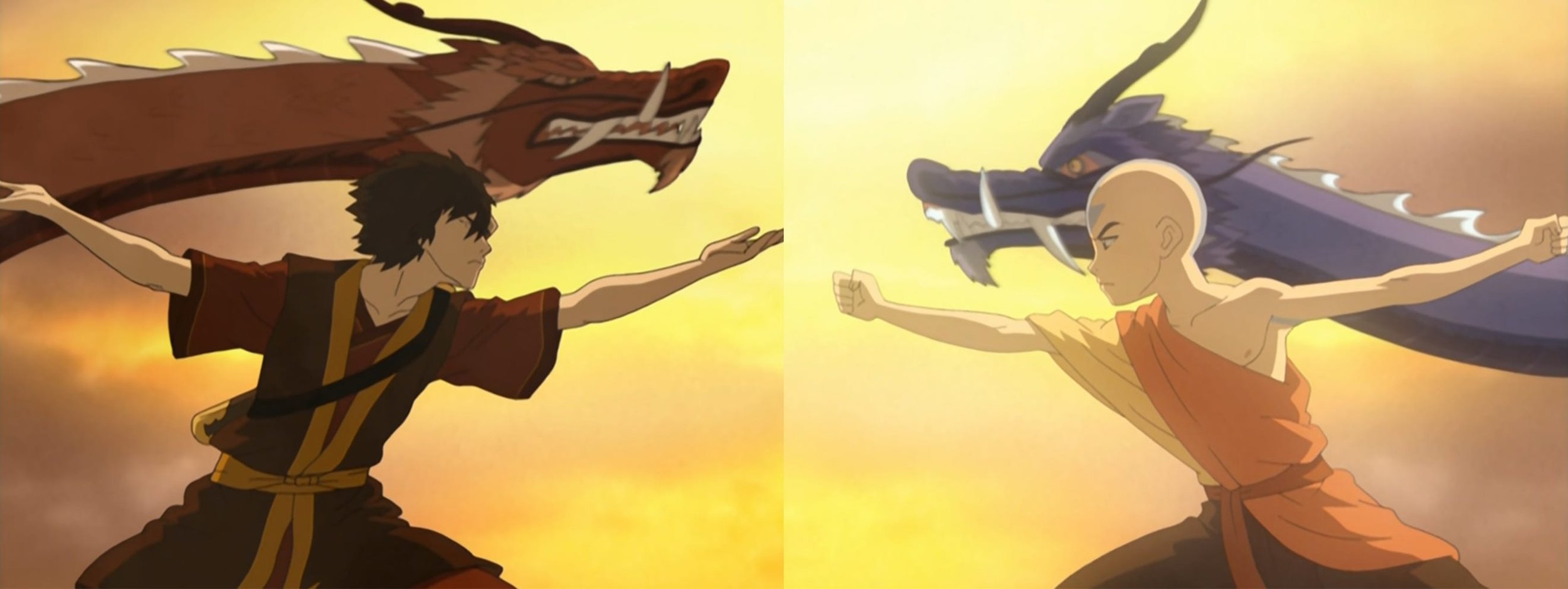
But one of the most interesting moments in the series happens in The Firebending Masters, when Aang and Zuko learn from the Sun Warriors and the dragons that this is not the full truth of fire. At one point, the Sun Warrior Chief tells Aang:
“Fire is life, not just destruction.”
That moment matters because it shows that the element itself was never the problem. The way people understood it was.
And that is exactly what makes Avatar’s bending system so strong. The elements are not just powers. They carry meaning.
Water represents healing, community, adaptability, and emotional flow.
Earth represents stability, endurance, patience, and resilience.
Air represents freedom, spirituality, movement, and detachment.
And when you look closer at the characters who bend these elements, you can often see how their personality, culture, philosophy, fighting style, and even clothing are shaped by the element they are connected to.
The ability itself is only one layer. The meaning behind it is what makes magic feel connected to a culture, a character, and a world.

Avatar showed me how magic can reflect culture and philosophy. But as a neurodivergent creator, I wanted to take that idea somewhere more personal.
I started asking myself…
what magic would look like if it reflected the way I experience the world — the wonder, the intensity, the sensitivity, but also the exhaustion of constantly adapting yourself in order to belong, function, and keep up.
That became the hidden message behind my magic system.
For Ananthara, magic was never meant to be just power. It became identity. Self-expression. Authenticity. A way for the soul to reveal what no label, role, or expectation could ever fully contain.
But that also created a new problem:
if magic is that personal, how do you keep it from becoming limitless?
How do you give magic freedom without making it feel random?
Lesson 2: Magic needs Rules
One of the biggest struggles I had while building my own magic system was the question of structure. Magic needs rules. Without them, it can quickly become too vague, too powerful, and eventually too difficult to believe.
The audience needs to understand what is possible, where the limits are, and why magic cannot simply solve every problem.
But at the same time, I did not want magic in Ananthara to feel like another box people are placed into.
Because in real life, many of us already know what it feels like to be reduced to labels. We are surrounded by expectations, systems, and roles. By ideas of who we are supposed to be, how we are supposed to function, and how much of ourselves is acceptable.
Instead, I wanted magic to translate what a person feels, how they think, what fascinates them, and who they are at their core.
Eventually, I realized that classification itself was not the enemy of individuality. A category can become a cage. But it can also become a language. Rules are not there to make magic less magical. They are there to give it weight and direction.
Because if magic has no limits, it can solve every problem.
If healing magic can heal anything, why does anyone die?
If teleportation exists without cost, why are journeys dangerous?
If magic can create anything from nothing, why does scarcity exist?
And if every problem can be solved by simply using more magic, then magic stops creating tension.
Which leads me to this Question:
If every person’s magic is unique, how do you keep it from becoming limitless?

Lesson 3: Every Magic System Needs a Counterpart
Working a 9-5, creating a painting, a story, a song, a project, a performance, an idea or any other activity consumes energy and so does magic. Not only physical energy, but also mental, emotional, and spiritual strength.
So what happens if you’re using magic over longer periods of time? What is the counterpart of my magic?
If magic is about balance, what creates imbalance?
If magic is about faith, what happens when faith breaks?
If magic is about knowledge, what happens when knowledge is forbidden?
If magic is about nature, what happens when nature is exploited?
If magic is about identity, what happens when a person is forced to betray who they are?
Magic can lead to exhaustion, overextension, and emotional vulnerability. Rest can restore balance. But if someone constantly pushes beyond their limits, if they keep giving more of themselves than they can safely carry, magic begins to strain the person using it.
That is why limits are not just technical rules. They are part of the philosophy of the system. They show what magic values, what it demands, and what happens when someone pushes it too far.
A sign that the balance between a person and their inner self has been pushed too far. The loss of connection to the authentic self is not the first cause. It is the consequence.
The consequence of fear. Of overextension. Of masking. Of suppression. Of pressure. Of power used without balance. Of living too long against your own nature.
That was an important distinction for me.
For me, this became one of the most important lessons while building Thal’ithara:
magic needs freedom. But it also needs shape.

Summary: The 3 Lessons That Shaped My Magic System
A magic system starts becoming the core of your worldbuilding once you know what magic represents in your world. From there, everything else starts to take shape: the rules, the limits, the cost, the consequences, the way people fear it, the way society uses it, and the way it changes the characters who carry it.
So if you are building a magic system for your own fantasy world, you do not need to start with a perfect list of spells, classes, or abilities. You can start with a few questions:
What does magic reveal about your world?
What does it reveal about power, fear, or belief?
What does it reveal about identity?
And what does it reveal about the people who use it?
Because the strongest magic systems are not always the ones where anything is possible. They are the ones where every possibility has meaning and consequence.
If you want to explore how this idea works inside Ananthara, you can read the full article on my magic system here.
Take the Quiz:
Find out who you are in Ananthara
and how would your magic unfold?
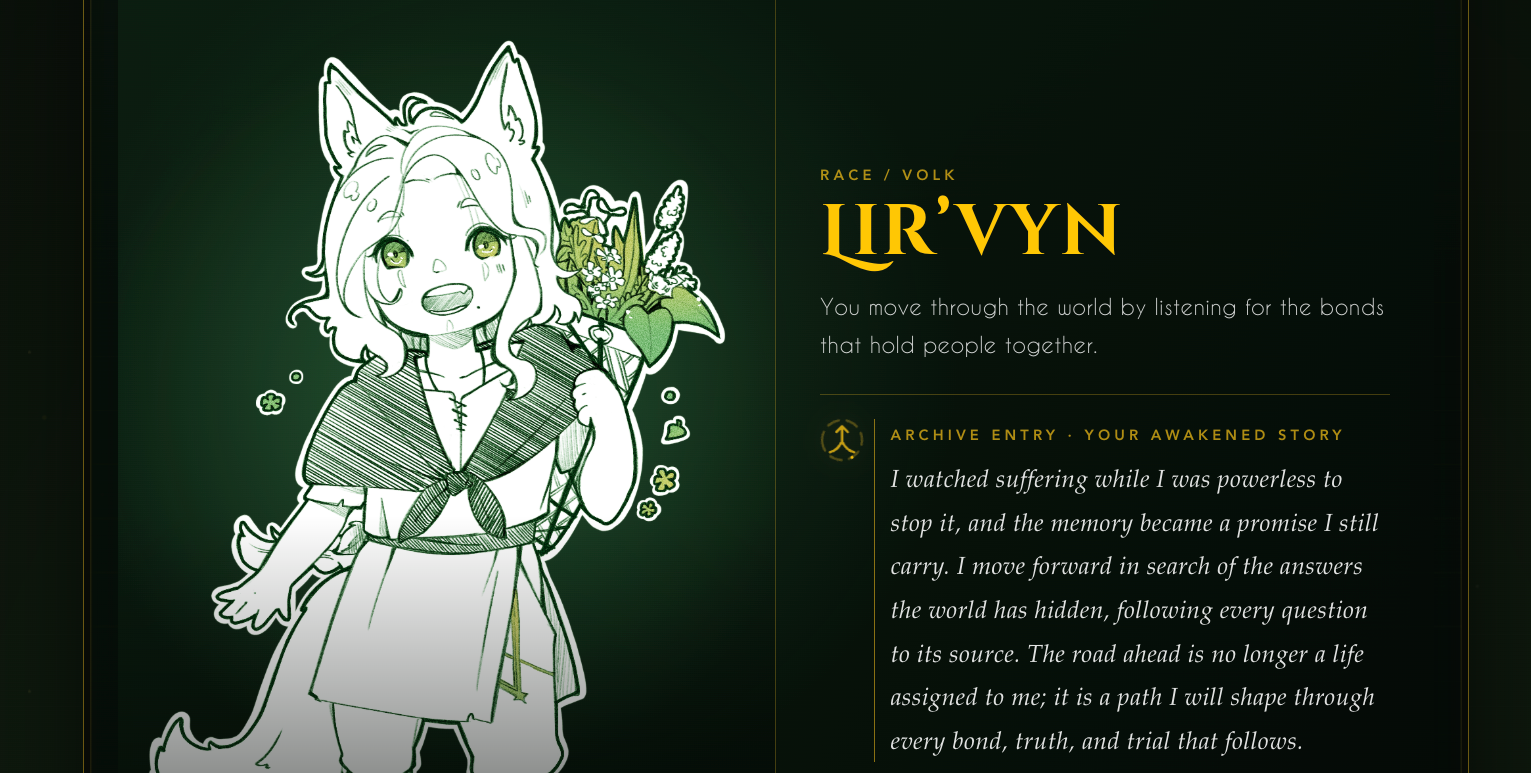
Find out who you are in Ananthara.
If magic truly emerged from who you are at your core… what would your Calling be? Which parts of your life, personality, and experiences would shape the way your magic evolves?
Discover your Archetype, uncover your Resonances, and explore how your own Thal’ithara might manifest.
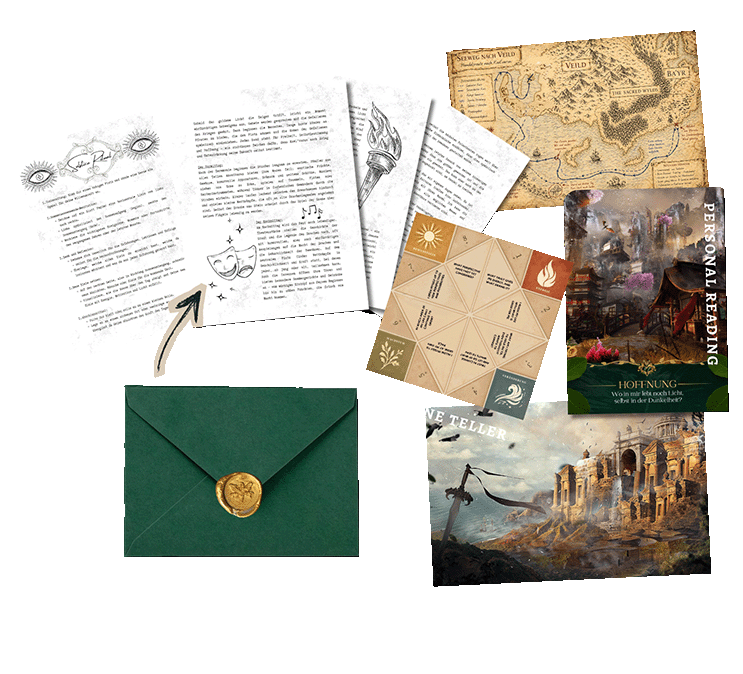
Explore monthly Tales, Art &
Cozy Moments in Ananthara