Why You Should Invest in your Own Equipment as an Artist
Should I invest in all that tech stuff—or not?
I honestly think it always depends on what you want long term.
I’ve always been someone who prefers doing everything myself—especially when it comes to getting creative and experimenting. For me personally, it’s clear that I want to try different things now and build something long-term that comes from my own hands. With all the AI topics going around, handmade work feels more important than ever.
For Ananthara, I want to cover all kinds of creative directions. Not like business gurus would say—to target a broader audience—but to experience my world in different ways for myself.
Ananthara is a place of retreat, of creative freedom. And that’s exactly how I want to treat the work around it.
Of course, investing in equipment isn’t cheap. A good printer already starts at around €500—and not everyone has that money available.
Alternatives would be:
your local print shop
printing stickers yourself at a print shop using vinyl paper & cutting them
ordering finished stickers from platforms like StickerApp
print-on-demand services like Shopify, Printful & co.
But I can say from experience: in the long run, this can get even more expensive.
And that brings us to the first reason why investing in your own equipment can be a smart long-term decision for a creative business.
Control over quality & quantity
High quality is extremely important to me. With my own printer, my own paper, and my own print settings, I can guarantee that quality.
Many print shops — whether sticker production or copy shops — require a minimum order quantity before they even start printing. With stickers especially: the bigger the size, the higher the price. Add finishes and special details and it quickly becomes expensive.
I paid over €50 for my first batch of stickers. A 50-sheet pack of vinyl sticker paper costs around €17.
And the biggest advantage?
I don’t need to print 50 stickers at once. I can focus on actual orders and print on demand from home — exactly what I need, when I need it.
That flexibility alone changes everything for a small handmade brand.
Branding
Customized details almost always cost more than standard products.
A logo on a sleeve? That’s easily €5 more per piece.
Custom packaging? Expensive.
Special prints? Extra charge.
Instead, I can go to a local store, buy packaging for €1–2, and personalize it at home with my printer.
Personalized branding doesn’t just strengthen your brand identity — it creates a better customer experience. It builds connection.
And connection is everything.
The Selfmade Artist
I love taking care of the small details myself — labels, stamps, art prints, thank-you cards, packaging.
These little handmade steps connect me to my community and the readers of my mail club. They also create a more personal experience for me as an artist.
Packing something I designed, printed, and prepared myself gives me this freeing, empowering feeling of:
“I created this — and soon it will be in someone else’s hands.”
For me, it’s important to have the opportunity to put love into those small details. To hold a finished letter in my hands and feel that rush of euphoria — like a child who created something for the first time.
That feeling matters.
Self-confidence
Creating something yourself is the biggest dopamine boost ever.
Diving into all the technical stuff and realizing you’re actually not “too stupid” to figure it out — that’s such a powerful feeling.
You hold something in your hands that only exists because you took the time to learn, test, fail, adjust, and try again.
And when I know “I made this myself”, it feels easier to price my work realistically. I don’t undervalue myself as quickly. The product automatically carries more worth — because of the process behind it.
When I got my printer, I think I didn’t leave my studio for a week…
It brought me so much joy to print my own stickers, to experiment with the settings, and to know that I can now shape and grow Ananthara 24/7 from my own hands — without relying on a printing company or higher production costs than necessary.
I won’t lie — misprints and mini breakdowns while figuring out the right settings are part of the process. (Read about it here)
But learning by doing is the right motto. Especially as an artist.
It’s important to understand that not everything works at the push of a button. You have to dive deep into settings, troubleshooting, materials, and possibilities.
But that’s part of building something real.
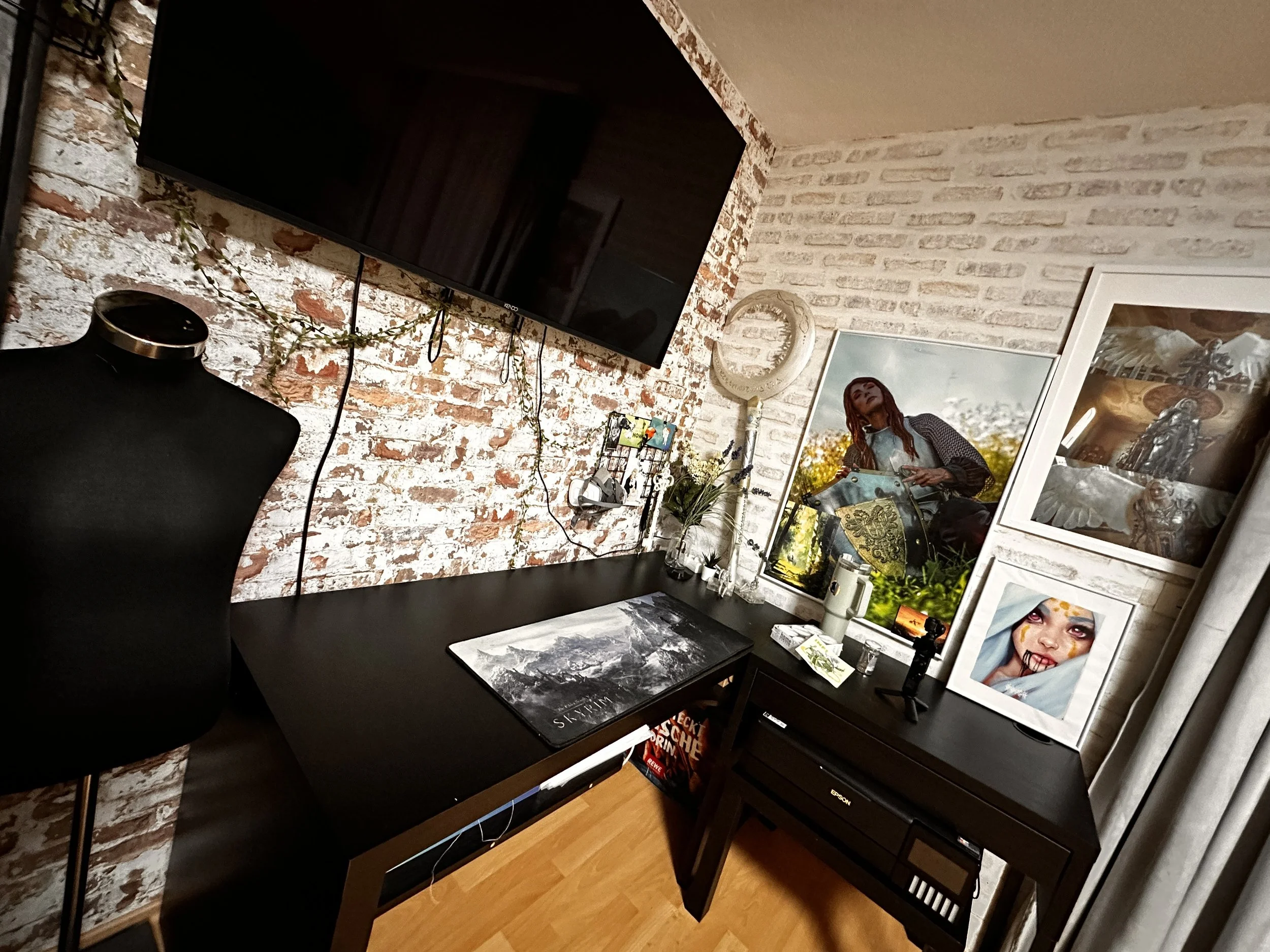
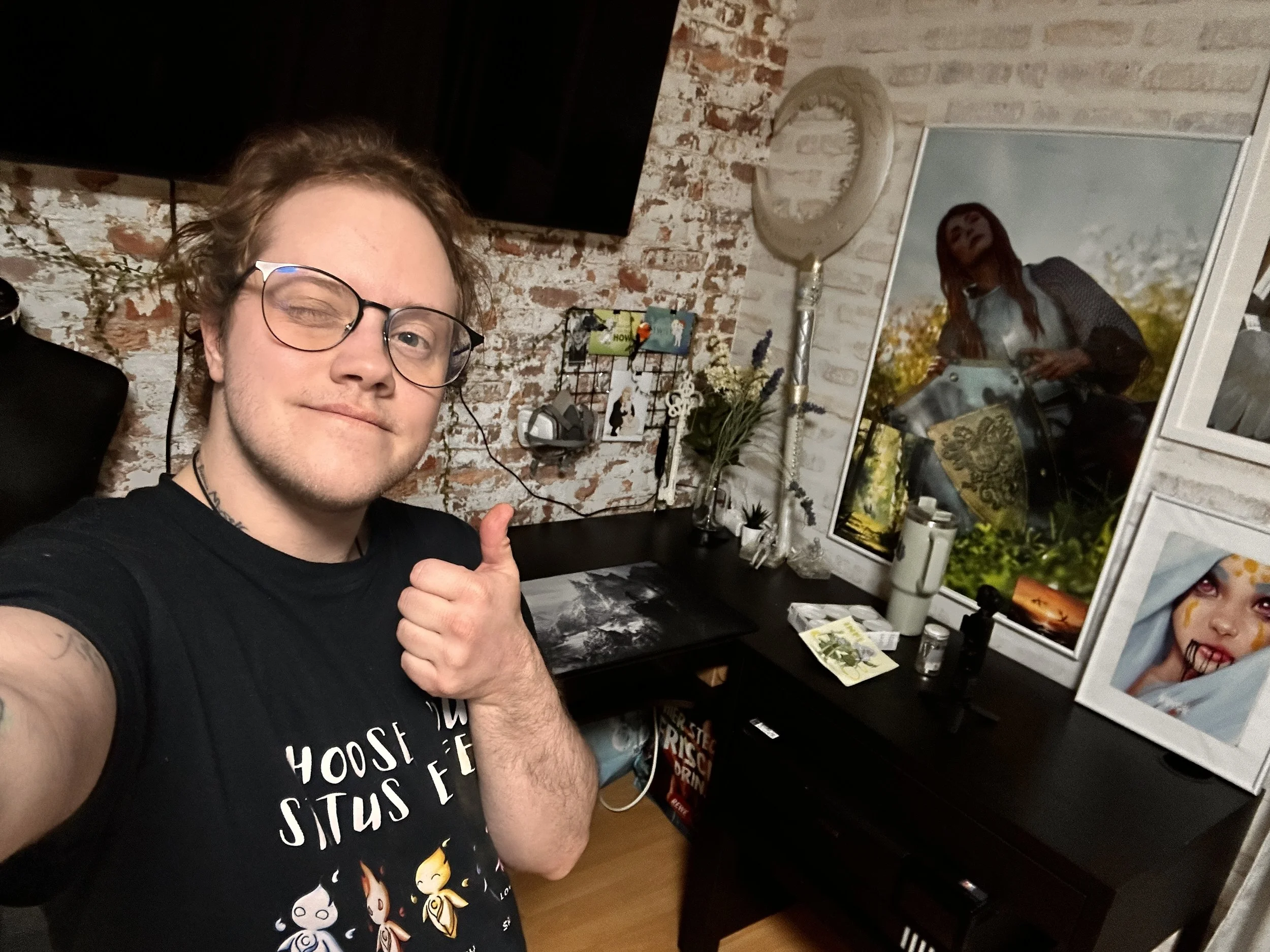
Conclusion:
At the end of the day, you simply have to calculate what makes financial sense long term
— and what your actual vision is.If you only want to print art prints, greeting cards, and stickers, you technically only need a printer. Stickers can be cut by hand (which I did regularly before getting my cutting machine).
With investments like this, long-term thinking is everything.
For me as an artist, a printer is the first and most important investment.
A cutting machine (plotter) is an add-on I treated myself to — and I wouldn’t want to live without it now — but it’s not mandatory in the beginning.
Investing in this equipment was expensive at first. But in the long game, it was the right decision.
And I would recommend it to anyone building a creative small business.Not only for your own products — but for your long-term self-confidence.
My creative tools:
Epson EcoTank 8550 - Read about my experience here..

Explore monthly Tales, Art & Cozy Moments in Ananthara