
How to Build a Unique Magic System for your fantasy world
Quicklinks
01 engine | 02 Pattern | 03 Limits | 04 mastery | 05 culture | 06 language | 07 Abuse | 08 untouched | 09 essential | 10 Journal| summary | Checklist
How to Build a Unique Magic System
Building a unique magic system is not only about creating the coolest powers possible. It can become the foundation of your entire worldbuilding.
Magic shapes more than what characters can do. It raises questions about culture, history, religion, belief, society and the way people understand power. It affects how people interact with each other, with their own abilities and with the world around them.
At first, magic can feel limitless. But a strong magic system develops its own logic: its own limits, costs, consequences, visual language and relationship to culture.
To feel believable, a magic system usually needs three things.
The Magic needs Clarity: The audience needs to understand how it works and what is happening.
The magic needs limitations, so it cannot solve every problem too easily.
And it needs consequences, so using magic feels like a choice instead of a shortcut.
This does not mean every magic system has to be hard, mathematical or explained in exhausting detail. You do not need to reinvent the wheel. Elemental magic, divine magic, spell-based magic or nature magic can all work beautifully. What matters is understanding how your magic works, what role it plays in the world and what it reveals about the people who use it.
Magic needs consistency. It needs purpose. It needs a reason to exist inside the world.
In this blog, I want to use my own magic system, Thal’ithara from my fantasy world Ananthara, as an example. Not so you can copy it, but so you can see how one answer leads to the next.
My goal is to inspire you to think beyond existing magic systems and begin shaping one that belongs completely to your own world.

1. Find the Source Behind Your Magic
Before you decide what magic can do, ask what drives it.
Every magic system has a source: the force, principle or condition that makes it work. It is the thing that gives the entire system its internal logic.
Magic might be driven by faith, nature, memory, blood, language, sacrifice, emotion, knowledge, contracts, divine favor, technology or the soul.
The engine matters because it shapes everything that follows. If magic is driven by knowledge, education becomes power and forbidden knowledge becomes dangerous. If it is driven by bloodlines, inheritance and social hierarchy become part of the system. If it is driven by emotion, inner conflict becomes magical conflict. If it is driven by the soul, magic becomes inseparable from identity.
For Thal’ithara, the engine is the soul.
Magic in Ananthara is not simply an external force people control. It grows from identity, emotion, memory, experience and self-expression. That choice shaped the cost, the danger, the awakening of magic and the ways it can fall out of balance.
Your own system might begin somewhere completely different. Maybe magic is shaped by memory, belief, nature, language, dreams, grief, devotion or something only your world could create.
The important part is not to choose the strangest source possible. The important part is to choose a source that gives your magic meaning — and creates questions your story wants to answer.
Ask yourself
What drives magic in my world?
Is magic internal or external?
What does the user need in order to access it?
What happens if the source is damaged, misunderstood or controlled?
What kind of conflict naturally grows from this engine?
2. Give the Audience a Pattern They Can Recognize
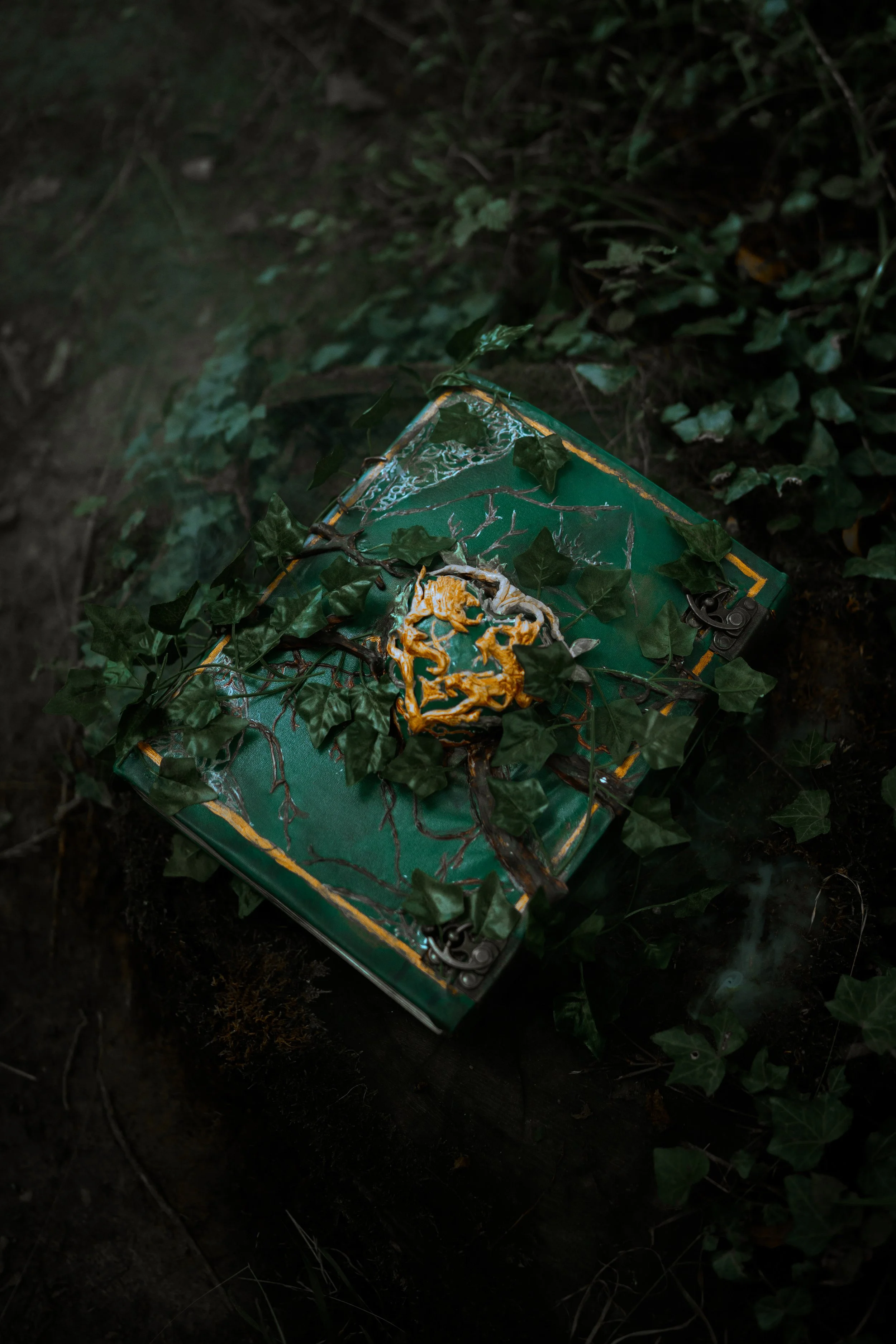
A unique magic system does not have to be unpredictable. In fact, if the audience cannot recognize any pattern, magic can start to feel random.
The audience does not need to understand every detail right away, but they should eventually feel that different magical moments belong to the same world. Elemental systems use elements. Spell-based systems use words, gestures, wands, rituals or formulas. Alchemy often uses exchange, materials and transformation. Divine magic may use prayer, devotion, symbols and sacred law.
A pattern creates trust. It helps the audience understand what they are seeing and prevents magic from feeling like a new solution invented whenever the story needs one.
The challenge is finding a structure that gives magic shape without making it too rigid.
That was one of my biggest challenges with Thal’ithara. I wanted every person’s magic to feel individual, but if every manifestation was completely unique, the system would become too vague. So I needed a framework that could organize the magic without turning it into fixed classes.
For Thal’ithara, that pattern became Calling, Resonance and Manifestation.
The Calling gives the root.
The Resonances shape the direction.
The Manifestation belongs to the individual.
This gives the system a recognizable structure while keeping the final expression personal.
Your own system needs its own pattern. It might be elements, schools, emotions, rituals, symbols, contracts, spirits, songs, seasons, wounds, dreams or technology. Whatever it is, the audience should be able to learn the language of your magic over time.
Ask yourself
What makes your magic recognizable as a system?
What starts or activates the pattern?
What must happen before magic takes form?
Is the pattern physical, verbal, emotional, ritualistic, mental, or symbolic?
What changes when the pattern is broken, rushed, or forced?
Can different users express the same pattern in different ways?
3. Make the Limit, Taboo and Cost More Interesting Than the Power

Powers are exciting, but limits are often
what make them memorable.
A power becomes more interesting when it cannot solve every problem. Teleportation is useful, but if a character can only teleport to places they remember clearly, the ability is shaped by memory, emotion and experience. Seeing the future is powerful, but if the visions only show possible futures, the character still has to interpret them, doubt them and make choices.
That is why limits matter. They make magic feel believable, force characters to be creative and stop power from becoming the easiest answer to every conflict.
But not every boundary is about impossibility.
Sometimes magic can do something, but should not. A healer might be able to save someone from death, but only by giving up years of their own life. In that moment, the question is no longer only: Can they do it? It becomes: Should they?
This is where limits, taboos and costs begin to connect.
A limit shows what magic cannot do.
A taboo shows what magic can do, but should not do.
A cost shows what magic takes when it is used.
The strongest costs usually grow from the source of the magic itself. If magic comes from the body, the cost might be pain, injury or transformation. If it comes from memory, the cost might be forgetting or distortion. If it comes from gods, the cost might be obedience, devotion or spiritual debt.
The more closely the cost reflects the nature of the magic, the more meaningful every use becomes.

That is how I approached Thal’ithara, the magic in my world.
Because Thal’ithara comes from the soul, its limits and costs cannot be random. It does not simply drain an abstract pool of mana. It consumes physical, mental, emotional, and spiritual energy.
So the question is not only: Am I powerful enough? It becomes: How much of myself can I give before I begin to lose balance?
If someone uses Thal’ithara against their own nature for too long, the connection begins to strain. If they are forced away from themselves, the magic may become unstable.
And if someone tries to sever, control, or manipulate another person’s Thal’ithara, they are not only attacking their magic. They are touching the soul itself. That makes some forms of magic deeply taboo in Ananthara. Not because they are impossible. But because the price is too high.
A ritual that saves one life by destroying another person’s connection to Thal’ithara would not simply be powerful. It would be horrifying. Because in Ananthara, losing magic can also mean losing parts of memory, emotion, identity, and self.
That is why strong costs and taboos matter. A cost shows what a character is willing to risk. A taboo shows what people have learned to fear.
Ask yourself
What can magic never do?
What can magic do, but should not do?
Who decides what is forbidden?
What kind of magic frightens people most?
What happens when someone crosses that boundary?
Is the taboo religious, cultural, political, moral or historical?
Was the taboo created by belief, fear, law or past disaster?
What has the world learned never to do again?
4. Decide What Mastery Actually Means
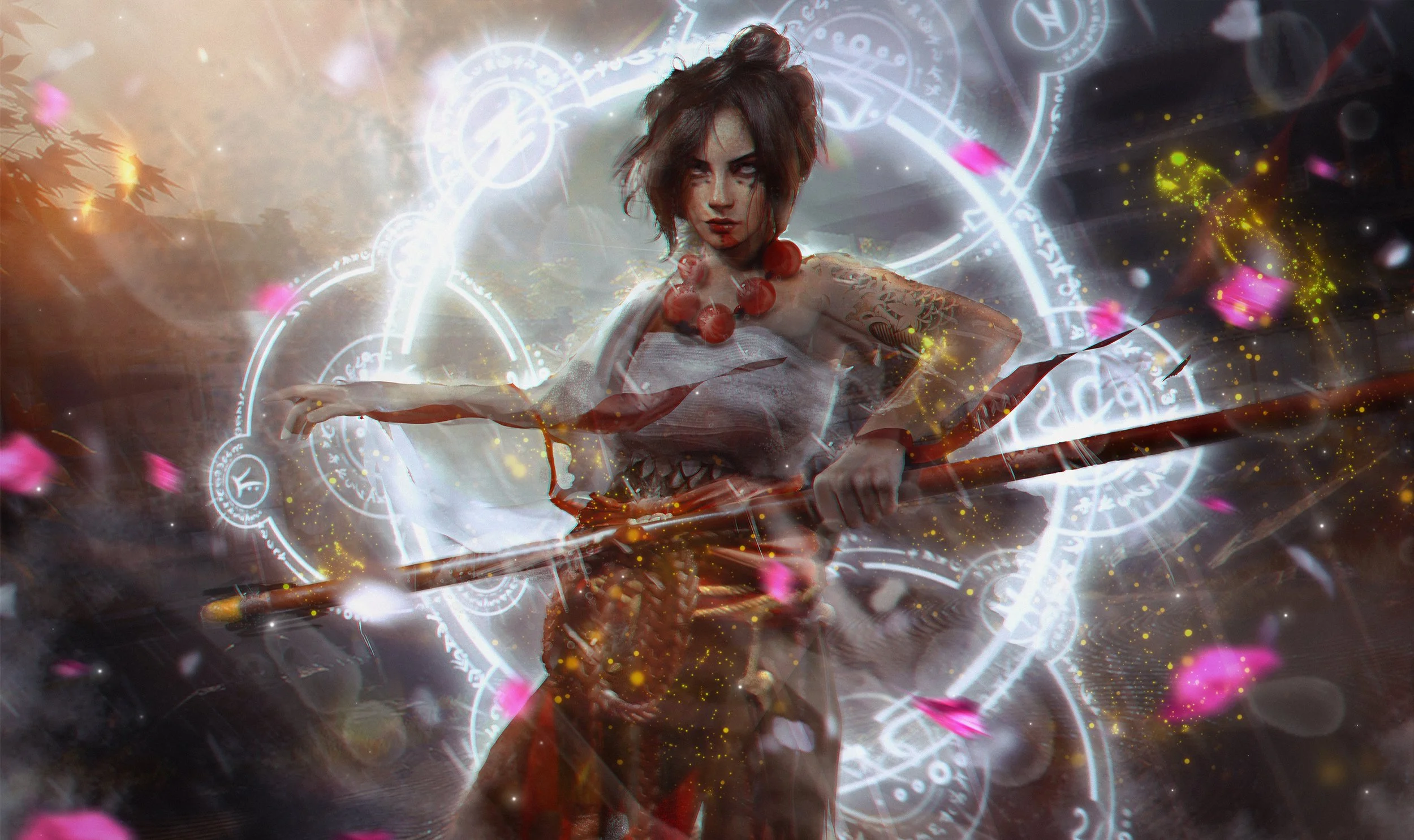
In many stories, magical growth means becoming stronger. The spell becomes bigger. The attack becomes faster. The healing becomes more powerful. The character unlocks a more advanced ability. That can be satisfying, but mastery does not always have to mean more power.
It can mean control, wisdom, balance, precision, restraint or deeper understanding. This changes how characters grow. If mastery means raw power, the strongest person becomes the best magic user. If mastery means knowledge, scholars and teachers matter. If mastery means balance, emotional awareness becomes just as important as ability.
For Thal’ithara, mastery is not about forcing magic into obedience. That is control, not balance.
True mastery means understanding your magic well enough to know when to use it, when to hold back and when pushing further would hurt more than it helps.
This creates an important contrast: the opposite of mastery is not simply weakness. It is corruption. Someone might appear powerful because they dominate others. A society might claim to understand magic because it controls who is allowed to use it. A magic user might feed anger, grief or fear until those emotions become a source of destructive power.
But that is not mastery. It is imbalance disguised as strength. Magic is no longer guided by understanding, balance or care. It becomes a way to control, harm or avoid what the user refuses to face.
Your own system should know the difference.
What does a beginner misunderstand?
What does a master understand?
Can someone be powerful but unwise?
Can someone be limited but deeply skilled?
Those questions can create more interesting character arcs than simple power scaling.
Ask yourself
What does mastery mean in my magic system?
Does mastery mean power, control, wisdom, balance, knowledge or restraint?
What does a beginner usually misunderstand?
What does a master understand that others do not?
Can someone be powerful but unstable?
Can someone be limited but highly skilled?
What does false mastery look like?
What happens when someone mistakes control for mastery?
5. Understand How Magic Shapes Your World
Magic should not mean the same thing everywhere.
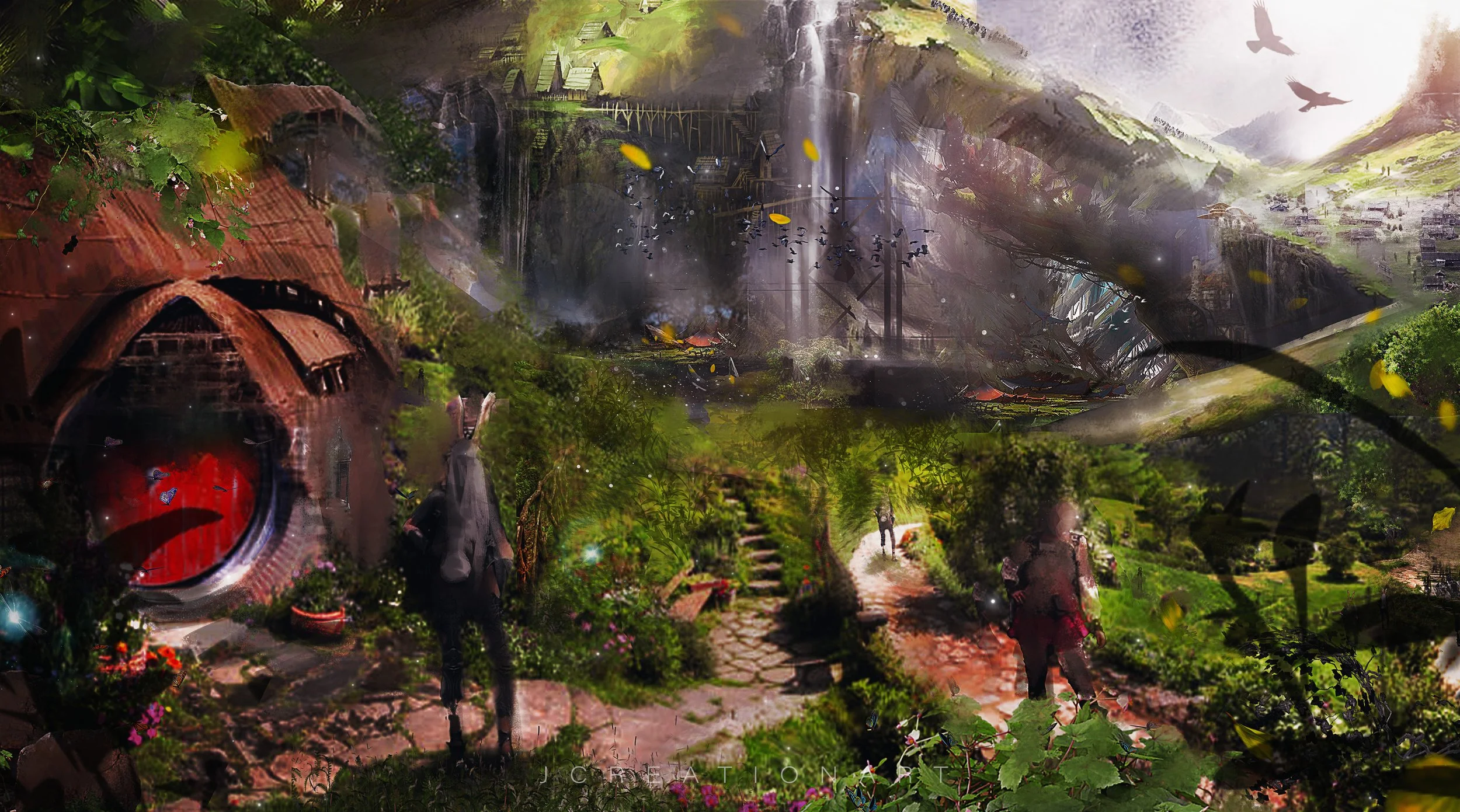
If your world has different cultures, religions, governments and histories, they should not all understand magic in the exact same way. One culture might see magic as sacred. Another might fear it. Another might study it like science, regulate it through law, turn it into military power or hide it inside ritual and taboo.
This is where a magic system becomes worldbuilding.
Magic is not only about what individuals can do. It is about how societies respond to that power. People build beliefs around magic. Institutions form around it. Laws try to control it. Traditions preserve it. Fear distorts it.
For Ananthara, this became essential. Thal’ithara is the same force across the world, but each culture understands it differently.
In V’eild, magic is feared because of historical trauma, and many people suppress their own Thal’ithara because they associate it with danger.
In Bay’r, magic is understood spiritually, as part of a natural cycle of giving and receiving.
In Thal’draen, magic is studied, taught and used for progress, healing, invention and magical understanding.
The orders of Ananthara interpret magic through their own beliefs as well: some seek control, some seek knowledge and some seek inner harmony.
That makes the world feel more real. Because if magic exists, society will try to explain it, use it, control it or protect itself from it.
Ask yourself
How do different cultures understand magic?
Is magic seen as sacred, dangerous, useful, shameful, divine, scientific or ordinary?
Who teaches magic, controls it or benefits from it?
Who fears magic, rejects it or is excluded from it?
Are some forms of magic respected while others are judged?
What historical events shaped the way people see magic?
6. Create a Visual Language
A magic system should not only make sense in theory. It should also feel alive on the page, on screen or in the imagination.
That is where visual language comes in.
What does magic look like? What does it sound like? How does it move? Does it glow, hum, burn, whisper, bloom, distort, pulse or leave traces behind? Does it appear through symbols, movement, tools, song, ritual, emotion, materials or the body?
A strong magic system has a sensory identity. It does not need to be flashy or loud, but it should feel distinct enough to belong to this world and not another.
Some magic can be quiet. Some can be invisible. Some can appear only through consequences. But even then, it should have a recognizable presence.
A divine system might use light, geometry, wounds, halos or sacred symbols. A nature system might use roots, breath, spores, seasons or animal behavior. A technological system might use gears, lenses, circuits, runes, pressure or artificial light.
For Thal’ithara, the visual language changes through the person. One soul might express protection through stone and armor. Another through symbols, song, engineered shelters, emotional paintings or devices that help an ecosystem recover.
The magic stays connected to the same system, but its appearance is shaped by personality, Calling, Resonance, culture and experience.
That makes Thal’ithara flexible without making it shapeless.
Ask yourself
What does magic look, sound and feel like?
Does it require movement, words, tools, symbols, materials or emotion?
Does it leave marks, scars, light, residue or distortion?
Can different types of magic be recognized visually?
How does the user’s personality shape its appearance?
How can magic be shown without explaining it in dialogue?

7. How can your Magic be abused?
A magic system becomes stronger when you try to break it. Do not only ask how heroes would use magic. Ask how villains would exploit it, how governments would regulate it, how religion would claim it, how wealth would monetize it and how desperate people would abuse it.
This is where consequences become important. Magic should not exist in isolation. If it is powerful enough to change a character’s life, it is probably powerful enough to change society, history, religion, law, economy and war.
So test the ripples. If healing magic exists, who controls healthcare? If truth magic exists, how do courts work? If teleportation exists, what happens to borders? If magical power can be removed, who decides who deserves to keep it?
That last question became central to Ananthara. Because if magic is tied to the soul, then controlling magic means controlling identity.
The darkest abuse of Thal’ithara is not simple destruction. It is the attempt to make magic controllable by making people controllable.
During the Blood Reign, people were forced into trials of worthiness. Those in power decided who was allowed to be powerful and stripped away the parts of a person that made them impossible to control: memory, emotion, self-expression and identity.
In Ananthara, individuality becomes dangerous to those who seek domination. It cannot be fully measured, owned or commanded without breaking the person who carries it.
That kind of abuse creates history. It creates trauma, fear and cultures that suppress magic generations later.
This is why stress-testing matters. It shows where your magic system becomes dangerous — and that danger can become the foundation for conflict, history and story.
Ask yourself
How could someone abuse this magic?
How would villains, governments, religions or wealthy groups exploit it?
Can magic be stolen, forced, blocked, severed, regulated or corrupted?
What part of society would change because of this magic?
What is the worst historical event this system could cause?
What loophole would break the story?
What prevents that loophole from working?
8. Ask Who Gets Left Behind
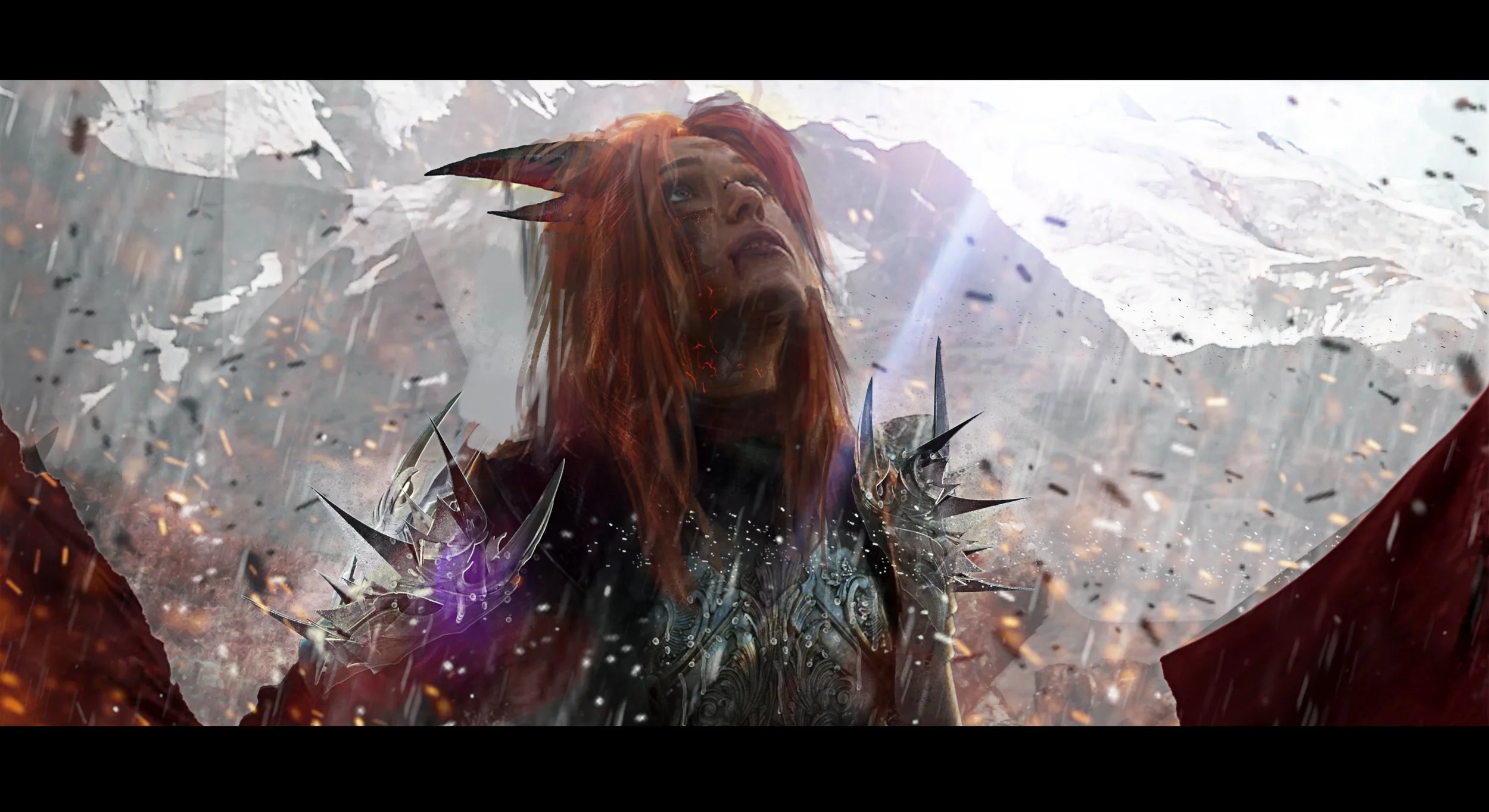
When building a magic system, it is easy to focus on the people who can use magic. But sometimes the more interesting question is: who cannot?
Who is excluded, overlooked or considered less valuable? Who is treated as ordinary in a world that worships the extraordinary?
This matters especially if magic gives people status, protection, political influence or career opportunities. If magic shapes society, then people without access to it will be shaped by it too.
They may be pitied, ignored, exploited, protected, resented, feared or used as labor. They may be seen as pure, broken, ordinary or unimportant.
Power always creates shadows. For Ananthara, this question led to the Untouched.
The Untouched are people whose Thal’ithara never awakened. They are not empty or incapable, but in many places, they become socially invisible. They are pushed into work that does not require magic: farming, trade, labor and ordinary service.
Not because their lives are meaningless, but because a magical society can easily start measuring worth through magical expression.
That is a worldbuilding consequence. A magic system is not only defined by who receives power. It is also defined by what happens to the people who do not.
Ask yourself
Who cannot use magic?
Who is denied access, forbidden to practice or afraid to use it?
Who is socially punished for having or not having magic?
How are non-magic users treated?
What jobs, roles or classes form around magical ability?
Does magic create inequality?
What does your world believe about people without magic?

9. Make the Magic Feel essential
A strong magic system should feel connected to the world’s history, culture, conflicts, beliefs and characters. It should not feel like decoration placed on top of the setting. It should feel like something the world grew around.
That does not mean every part of society has to revolve around magic. But magic should leave fingerprints.
A unique magic system does not always come from inventing something no one has seen before. Sometimes uniqueness comes from connection: when the engine fits the theme, the limits grow from the source, the cost affects the character personally, the visual language feels recognizable, cultures interpret magic differently, mastery means more than power and the system creates problems as often as it solves them.
That is when magic stops feeling random. It starts feeling essential — like the world could not exist in the same way without it.
Ask yourself
What would change if magic disappeared?
Would the cultures, conflicts and history still make sense?
Would the characters still have the same arcs?
Does magic shape the world, or is it only added on top?
Does my magic system feel like it belongs here?

Final Thought: Magic is History
A unique magic system does not need hundreds of spells, endless terminology or the strangest idea anyone has ever seen.
It needs connection. Connection between power and cost. Between source and limit. Between magic and culture. Between ability and consequence. Between the system and the people who live inside it.
So do not only ask what your magic can do. Ask what holds it together.
What fuels it? What limits it? What does it cost? What does it change? What does the world fear because of it?
The goal is not to create magic that can do everything. The goal is to create magic that has a clear place in your world.
It should affect how people live, what they value, what they forbid, what they remember and what choices your characters have to make.
Once those answers begin to connect, you are no longer only building a magic system. You are building culture, religion, history, politics, education, fear, belief and everyday life around power.
That is what makes magic useful for worldbuilding. It does not only tell you what characters can do. It helps you understand the world they have to live in.
Final Questions for Your Own Magic System

Before you move on, take a moment to look at your magic system as a whole.
What is the source of your magic, and what makes it work?
What pattern helps the audience recognize it?
What can it do, what can it never do, and what is possible but forbidden?
What does magic cost, and what happens when someone ignores that cost?
What does mastery mean, and what does corruption look like?
How does magic shape everyday life, culture, power and belief?
Who teaches it, fears it, controls it or is excluded from it?
How can it be abused, and what history has it already created?
What does it look, sound or feel like?
And most importantly:
What would be missing from your world if this magic did not exist?

40-page digital workbook · English · Instant download
Deepen your worldbuilding and develop a magic system that doesn’t feel like a random collection of powers, but instead becomes an integral part of your fantasy world making both the setting and its stories feel more vivid and alive.
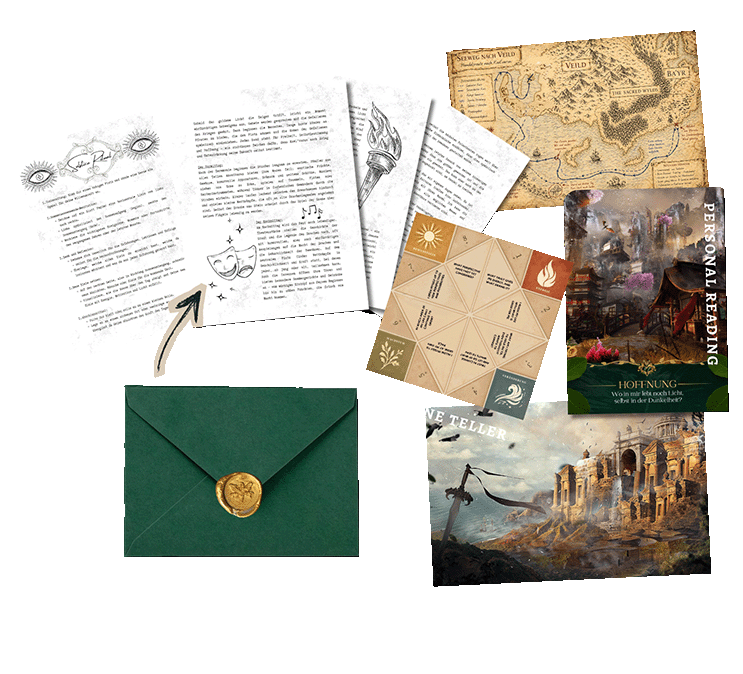
This 40-page Magic System Workbook guides you step by step through the development of your magic and the deeper Questions that will enhance your Worldbuilding: your magic’s source, structure, limits, taboos, mastery, corruption, cultural impact and visual language. It also helps you test your system for loopholes, inequality and narrative relevance.
Includes: guided prompts, case studies, practical worksheets, English and German versions, and an instant digital download.
Perfect for fantasy writers, worldbuilders, TTRPG creators and artists.
Inside the workbook
Define the source and structure of your magic
Create clear limits, costs and taboos
Explore mastery, corruption and loss of control
Discover how magic shapes culture, power and everyday life
Develop a distinct visual and sensory language
Abuse, Loopholes, and Social Consequences
Explore exclusion, privilege and conflict
Connect your magic to your world and story
Guided prompts, case studies and practical worksheets
You will receive
40-page digital workbook
Checklist
Case studies from Ananthara and Thal’Ithara
English Version
Instant download
Printable PDF files
Perfect for fantasy writers, worldbuilders, game masters, TTRPG creators and artists developing original worlds.
This workbook does not just help you invent magical abilities. It helps you understand what magic changes.
Digital product only. No physical item will be shipped.
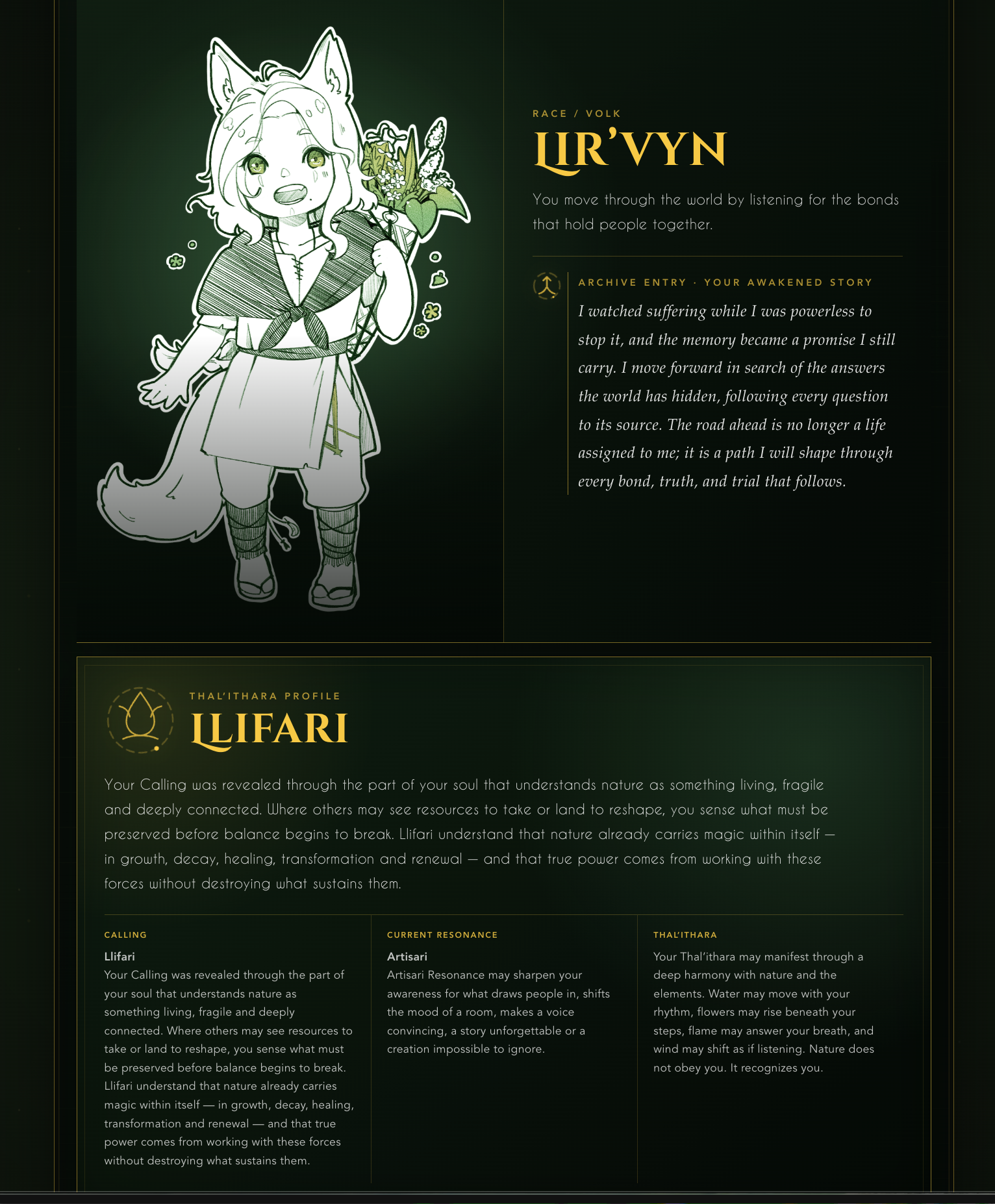
Find out who you are in Ananthara | Start the Quiz
40-page digital workbook · English · Instant download
Deepen your worldbuilding and develop a magic system that doesn’t feel like a random collection of powers, but instead becomes an integral part of your fantasy world making both the setting and its stories feel more vivid and alive.
This 40-page Magic System Workbook guides you step by step through the development of your magic and the deeper Questions that will enhance your Worldbuilding: your magic’s source, structure, limits, taboos, mastery, corruption, cultural impact and visual language. It also helps you test your system for loopholes, inequality and narrative relevance.
Includes: guided prompts, case studies, practical worksheets, English and German versions, and an instant digital download.
Perfect for fantasy writers, worldbuilders, TTRPG creators and artists.
Inside the workbook
Define the source and structure of your magic
Create clear limits, costs and taboos
Explore mastery, corruption and loss of control
Discover how magic shapes culture, power and everyday life
Develop a distinct visual and sensory language
Abuse, Loopholes, and Social Consequences
Explore exclusion, privilege and conflict
Connect your magic to your world and story
Guided prompts, case studies and practical worksheets
You will receive
40-page digital workbook
Checklist
Case studies from Ananthara and Thal’Ithara
English Version
Instant download
Printable PDF files
Perfect for fantasy writers, worldbuilders, game masters, TTRPG creators and artists developing original worlds.
This workbook does not just help you invent magical abilities. It helps you understand what magic changes.
Digital product only. No physical item will be shipped.
Explore monthly Tales, Art &
Cozy Moments in Ananthara



V’eild is the beating heart of trade in Ananthara — a kingdom stretching from tropical shores and endless deserts to towering mountains. In Kael’varun, merchants, pirates, Drae’khar, Dur’kaen and travellers from across the world meet beneath the shadow of an ancient dragon